A Sweet Palette for Design
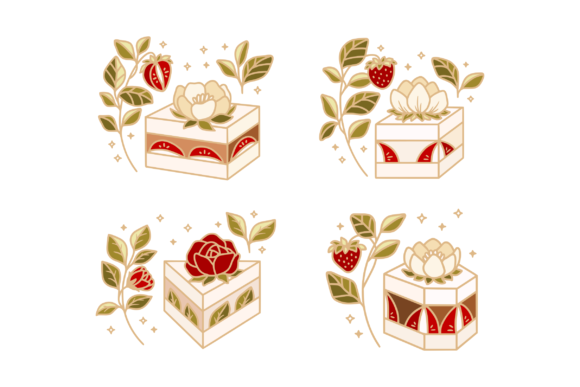
Imagine your brand or project infused with the zest of lemon, the earthy richness of matcha, and the comforting sweetness of caramel cream cake, all wrapped in a hand-drawn, whimsical style. This unique visual blend isn't just a delicious concept; it's a potent toolkit for creators looking to evoke warmth, freshness, and premium quality.
In the realm of graphic design, thematic collections like this serve as foundational creative assets. They provide a cohesive set of visual elements that can be seamlessly integrated across various mediums. The cute, hand-drawn illustrations of pastries, leaves, and florals offer a friendly, approachable aesthetic that breaks from rigid corporate visuals, making them perfect for brands that want to communicate authenticity and artisanal care.
Building a Cohesive Brand Identity
The first and most impactful application is in branding and logo design. A custom logo utilizing these lemon, matcha, and caramel motifs immediately tells a story. It suggests a brand centered around natural ingredients, crafted delights, or a cozy, inviting atmosphere. This visual shorthand is powerful. Beyond the logo, these elements can be used to build a full brand identity system.
- Color Palette: The inherent colors—vibrant yellows, serene greens, and warm browns—create a natural and appetizing color scheme that guides all brand materials.
- Patterns & Textures: Scattered illustrations can form repeating patterns for packaging backgrounds or website sections.
- Iconography: Individual drawings serve as perfect icons for menus, instructional labels, or feature highlights.
Extending the Visual Language
Once the core brand identity is established, these assets flow effortlessly into marketing and communication materials. For social media graphics, a hand-drawn leaf or a cute cake illustration can add personality to posts, increasing engagement and visual consistency. In editorial design, such as blog layouts or recipe cards, these elements act as charming decorative accents that enhance readability and thematic connection.
Practical Applications Across Mediums
The versatility of a well-curated illustration set lies in its scalability and adaptability. Each file format—EPS for infinite scaling, JPG for quick use, and PNG for transparent overlays—supports different professional needs within your design workflow.
Consider packaging design. A product label adorned with a delicate, hand-drawn floral and a caramel swirl conveys quality and attention to detail far more effectively than plain text. In UI and web design, these illustrations can be used as welcoming hero images, intuitive section dividers, or custom cursor points, enhancing the overall user experience with a playful touch. They translate beautifully to print for greeting cards, scrapbook embellishments, or DIY project decorations, offering creators ready-to-use art that elevates their personal work.
Selecting and Using Design Elements Effectively
To leverage such assets for maximum impact, focus on visual hierarchy and audience expectations. Use the most prominent illustrations, like the cake itself, for focal points. Smaller elements, like leaves or tiny florals, are best for borders, backgrounds, or repeated patterns. Always ensure the style aligns with your overall design goals: this hand-drawn, cute aesthetic is ideal for audiences seeking comfort, creativity, and a human touch.
Maintain consistency by using the same set of illustrations across all touchpoints—from your website's footer to your product's sticker. This repetition builds recognition and trust. Pay attention to readability; ensure text placed over or near illustrations remains clear and legible. Finally, these elements should complement, not overwhelm, your core message; they are the supportive visual voice that makes your brand’s story more compelling.
Ultimately, thoughtful design choices rooted in evocative themes like lemon, matcha, and caramel cream cake do more than just beautify a project. They forge an emotional connection, communicate brand values instantly, and provide a flexible framework for all your visual communication. Investing in quality, cohesive creative assets is an investment in clearer communication, stronger identity, and a more memorable presence in any market.