Blending Flavors and Illustrations for Creative Projects
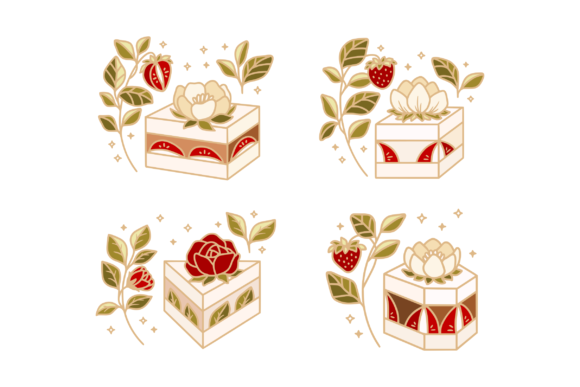
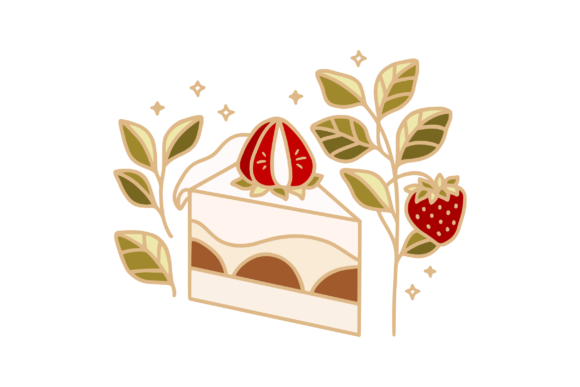
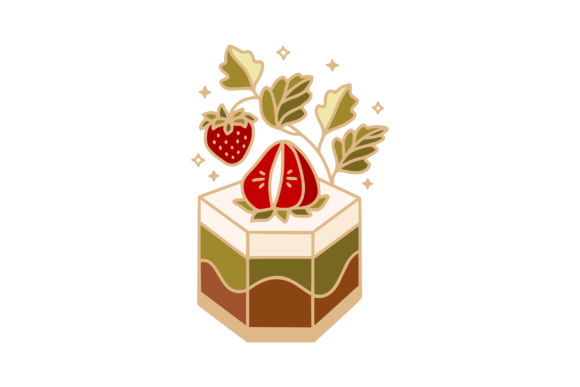
The combination of chocolate, green tea, and strawberry cake is more than a dessert recipe; it’s a potent source of visual and thematic inspiration. This trio represents a harmony of rich indulgence, refreshing balance, and sweet simplicity. When paired with cute, hand-drawn illustrations of cakes, pastries, and bakery elements adorned with strawberries, leaves, and florals, it becomes a versatile creative toolkit. These assets are designed for application across food logos, brand identities, stickers, product labels, greeting cards, scrapbook layouts, DIY projects, and home decorations.
A Palette of Themes and Sensibilities
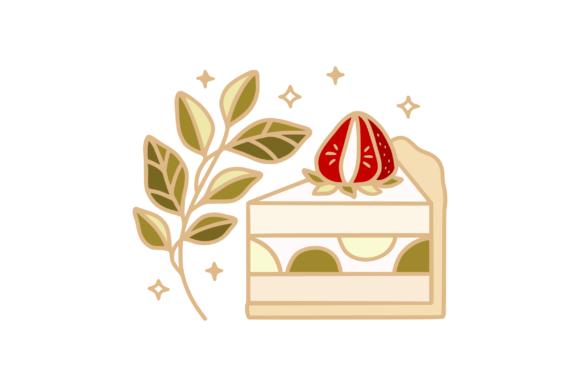
What makes this collection particularly useful is its dual foundation. The chocolate, green tea, and strawberry cake theme anchors projects in a recognizable, appetizing concept. It evokes feelings of comfort, artisan craftsmanship, and natural sweetness. Simultaneously, the illustrative style—cute and hand-drawn—adds warmth, accessibility, and a personal touch. This avoids the coldness of vector-perfect graphics and instead invites a sense of handmade charm. The included strawberry, leaf, and floral motifs directly tie back to the core flavors, creating a cohesive visual story. Green tea is suggested by the leafy and botanical elements, strawberry cake by the berry illustrations, and chocolate by the general bakery and pastry drawings.
Core Creative Applications and Adaptations
The practical use of these elements begins with understanding their formats. The availability of EPS, JPG, and PNG files in the ZIP archive means they are ready for both digital and physical mediums. EPS files allow for scalable, professional design work in software like Adobe Illustrator, perfect for logo creation or print label design where resizing without quality loss is critical. JPG and PNG files are immediately usable in simpler software, web platforms, or for quick crafting projects.
For a food logo or brand identity, a designer might combine an illustration of a strawberry-topped cake with a stylized text element incorporating the words “green tea” or “chocolate.” The leaf and floral illustrations can become subtle border elements or secondary icons. The key is to select one or two focal pieces to avoid clutter. A brand for a boutique bakery might use the cake illustration prominently, while a green tea blend product label might foreground the leaf illustrations with a small chocolate pastry as a supporting graphic.
In greeting cards and scrapbooking, these illustrations become decorative accents. A birthday card could feature the cute cake drawing alongside hand-lettered text. For a scrapbook page about a garden party, the floral and strawberry elements could be combined with photographs. The PNG files with transparent backgrounds are especially useful here, allowing for seamless layering over other papers or photos.
Tailoring the Theme for Your Audience and Goals
The flexibility of this theme allows for significant adaptation. A marketer aiming for a luxury, artisan audience might use the chocolate and cake illustrations in a more muted, sophisticated color palette—deep browns and cream—and apply them sparingly on packaging for a premium product. The hand-drawn style still conveys craftsmanship, but its application is refined.
Conversely, a blogger or educator creating DIY project tutorials for a hobbyist audience might embrace the full cute, colorful potential. They could demonstrate how to print the JPG files onto sticker paper to create custom kitchen jar labels, or how to use the PNG florals as digital embellishments for a printable recipe card. The focus here is on fun, accessibility, and clear, step-by-step application.
Freelancers and small business owners can leverage these assets for consistent brand extension. Using the same set of illustrations across a website’s blog graphics, social media stickers, and physical product labels creates a unified brand experience. It’s important to establish a simple color scheme and usage rule—for instance, “we always use the strawberry illustration in our coral accent color”—to maintain organization and recognizability.
Project Ideas and Practical Inspiration
- Custom Kitchen Decals: Print the cake and pastry PNGs onto adhesive vinyl to create a unique backsplash or appliance decoration.
- Digital Recipe Blog Graphics: Use the green tea leaf and strawberry as watermark-style illustrations on photos of homemade baked goods.
- Event Invitations: Combine elements for a themed tea party or baking class invite. The floral illustrations can frame the text details.
- Small Product Line Labeling: A home-based entrepreneur selling strawberry-chocolate tea blends can create a cohesive label suite using the corresponding illustrations for each flavor variant.
- Personalized Gift Wrap: Print patterns using repeated illustrations on paper to wrap gifts for food-loving friends, adding a personal, crafted touch.
To keep results effective and audience-friendly, always consider clarity. Even with cute illustrations, the primary message—whether it’s a brand name, a recipe title, or an event date—should remain dominant. Use illustrations as support, not as obstruction. For digital projects, ensure file sizes are optimized; the JPGs are likely best for web use where fast loading is priority, while the EPS or high-res PNGs are for print.
Exploring Variations and Maintaining Originality
The core theme of chocolate, green tea, and strawberry cake can be interpreted in different styles using the same asset pack. A minimalist approach might isolate a single, clean line drawing of a strawberry and use it repeatedly in a pattern. A maximalist, whimsical approach could layer several illustrations together in a collage style for a scrapbook cover.
To ensure originality, especially when many users might access the same asset pack, focus on unique composition and context. Your specific color combinations, text choices, and project medium will make the application distinct. Don’t just slap an illustration on a card; consider how it interacts with your layout, your wording, and the texture of your materials. For a food logo, perhaps you modify the provided EPS illustration slightly, combining it with a custom letterform you create, to build a truly unique mark.
Ultimately, this collection serves as a springboard. It provides high-quality, coherent visual ingredients. The creative professional, hobbyist, or entrepreneur then becomes the chef, blending these ingredients with their own ideas, goals, and audience needs to create final designs that are both inspired and practical. From a charming sticker on a jar of loose-leaf green tea to a prominent logo on a bakery website, the journey from asset to application is where the real creativity happens.