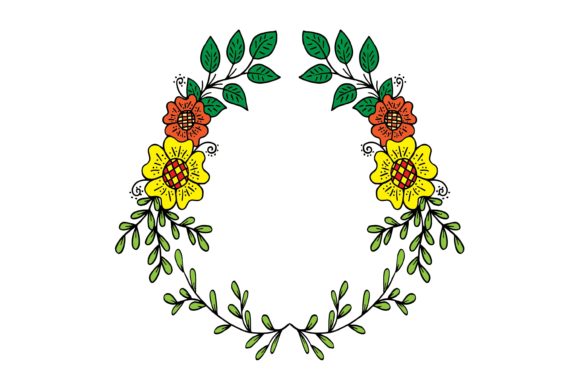
The Simple Power of a Decorative Frame with Flowers
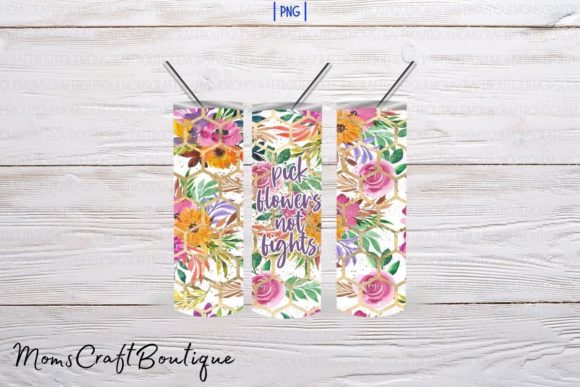
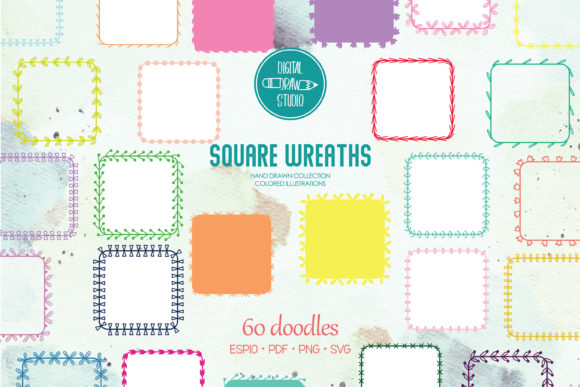
At first glance, a frame with flowers and leaves might seem like just a pretty picture. But in the world of design, this simple composition is a versatile powerhouse. Think of it as a flexible, ornate border drawn in a charming, often hand-sketched style. It combines floral motifs like blossoms, vines, and foliage with decorative elements like scrolls, curls, or delicate patterns. This isn’t a rigid, photographic frame; it’s a vector illustration—a digital drawing that can be scaled to any size without losing quality, making it perfect for countless projects.
Why This Design Element Resonates with Creators
The core appeal of a decorative frame composition with flowers lies in its balance of organic beauty and structured form. The floral elements bring a sense of nature, warmth, and softness, while the frame itself provides order and focus. The “doodle style” adds an accessible, human touch—it feels crafted rather than coldly digital. This combination solves a common problem for many creators: how to add elegance and visual interest without overwhelming the core content, whether that’s text, a logo, or a photo.
For beginners, it offers a ready-made solution that elevates work instantly. For professionals, it’s a time-saving asset that can be customized and integrated into larger brand systems. Its value is both aesthetic and practical. You don’t need to be a master illustrator to harness its effect; it’s a design shortcut that communicates care and attention to detail.
Practical Uses From Personal Projects to Professional Brands
Imagine you’re designing a wedding invitation. A plain border might look formal, but an ornate frame with flowers and leaves immediately sets a tone of romance, celebration, and personal touch. It frames the vital information beautifully. This same logic applies to greeting cards for birthdays, anniversaries, or holidays—the frame becomes part of the emotional message.
Beyond personal stationery, these vector illustrations are incredibly useful in commercial and digital contexts. A small business owner might use a simplified version of such a frame to decorate a logo, giving a bakery, boutique, or florist a gentle, brand-appropriate accent. Bloggers and educators can use them to highlight key quotes, section headers, or certificate borders in their digital materials, breaking up text and adding visual appeal.
For freelancers in graphic design or marketing, having access to such versatile assets is key. They can be placed around social media posts to make them stand out, used as backgrounds for text overlays in videos, or integrated into website elements. The vector format means one file can be adapted for a tiny icon or a large banner seamlessly.
Important Considerations Before You Start
While a decorative floral frame is highly adaptable, a few thoughts will help you use it more effectively. First, consider context and consistency. The ornate, doodle style might not suit a highly technical or minimalist brand. Ensure the style of the flowers and leaves aligns with the overall vibe of your project—are they playful wildflowers or elegant roses?
Second, think about space and hierarchy. A frame is meant to complement, not compete. If your text or central image is very detailed, a simpler frame might be better. Conversely, a bold frame can help give weight to a simple logo. Always check that the final composition feels balanced.
Finally, source your assets wisely. Many vector frames with flowers are available under royalty-free licenses, but always verify the terms of use, especially for commercial projects. Learning to customize colors or slightly modify a vector frame can make a generic asset feel uniquely yours, adding even more value.
Bringing Ornate Beauty into Everyday Design
The true power of this design element is how it bridges the gap between professional polish and personal expression. A hobbyist creating a card for a friend, a marketer designing an email campaign for a lifestyle brand, or an entrepreneur crafting a shop sign—all can use the same fundamental asset in ways that serve their specific needs. It’s a reminder that effective design often starts with a strong, simple foundation.
By understanding the frame with flowers and leaves as a flexible tool rather than just a decoration, you open up a wide range of creative possibilities. It encourages you to think about how borders and accents function, how style communicates mood, and how a single well-chosen element can transform the ordinary into something distinctly engaging. Whether your next project is digital or printed, personal or professional, consider how an ornate, floral touch might just be the perfect finishing detail.